
Cannabis for Pain: What Michigan Shoppers Should Know
Many Michigan cannabis shoppers turn to cannabis for pain-related relief. While everyone responds differently, understanding which cannabinoids, terpenes, and product types are commonly associated with pain management can help you make a more informed choice at a cannabis shop.
Cannabis topicals (creams, balms) can target specific areas of discomfort without psychoactive effects.
Edibles last 4–8 hours, making them popular for overnight relief. Inhalation is faster but shorter (1–3 hours).
The terpene myrcene is associated with sedation and muscle relaxation — look for strains high in this terpene.
How cannabis interacts with pain
The human body has an endocannabinoid system (ECS) that helps regulate pain, inflammation, and other functions. THC binds directly to CB1 receptors in the brain and nervous system, which can alter pain perception. CBD interacts more indirectly, potentially reducing inflammation and modulating how pain signals are processed. Neither is a guaranteed pain solution, but many shoppers report meaningful relief.
THC vs. CBD vs. combination products
THC-dominant products tend to alter pain perception and provide distraction from discomfort, while CBD is more associated with reducing inflammation without a high. Many pain-focused consumers find that products combining both (1:1 ratios or full-spectrum) provide broader relief than either alone — this is sometimes called the entourage effect. Meds Cafe carries options across the spectrum.
Best product types for pain
Topicals (creams, balms, patches) are ideal for localized pain — sore muscles, joint stiffness, or post-workout recovery — without any psychoactive effect. Edibles provide longer-lasting systemic relief (4–8 hours) and are popular for chronic discomfort or sleep disruption from pain. Vaping or smoking offers faster onset (minutes) for acute flare-ups but shorter duration.
Strains and terpenes to look for
While strain names vary by harvest, terpene profiles are more consistent indicators. Myrcene (earthy, musky) is associated with sedation and muscle relaxation. Beta-caryophyllene (peppery, spicy) has anti-inflammatory properties and is the only terpene known to interact directly with CB2 receptors. Linalool (floral, lavender) is linked to calming effects. Ask your budtender about high-myrcene or high-caryophyllene strains.
Dosing for pain management
Start low and increase gradually. For edibles, begin with 2.5–5mg THC and wait at least 2 hours before taking more. For inhalation, one or two puffs and a 15-minute wait is a reasonable starting point. Pain relief often requires slightly higher doses than recreational use, so patience with the process is important. A journal tracking product, dose, and results can help dial in what works for you.
What to tell your budtender
Be specific about what you are experiencing: type of pain (sharp, dull, aching), location (joint, back, head), timing (constant, at night, after activity), and what you have tried before. This helps budtenders recommend appropriate products, formats, and dosing approaches. You do not need a medical card for recreational purchases, but being open about your goals leads to better recommendations.
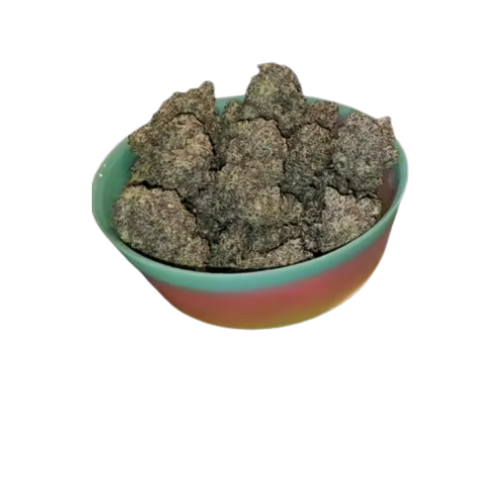
Topicals for localized relief. Edibles for long-lasting systemic effects. Vaping for fast-onset acute relief. Tinctures for flexible dosing under the tongue.
Ready to shop your local Meds Cafe?
Choose your store first so menu availability, pricing, and deals match your location.