
Cannabis for Sleep: What Michigan Shoppers Should Know
Sleep is one of the most common reasons people explore cannabis, and Michigan dispensaries carry a growing number of products designed with rest in mind. But not every product works the same way, and understanding what actually helps can make the difference between a restful night and a frustrating one.
CBN is a cannabinoid that forms as THC ages and is increasingly used in sleep-focused products across Michigan dispensaries.
These terpenes are commonly found in relaxing strains and are associated with calming, sedative-leaning effects.
Because edibles are metabolized slowly, their effects can last several hours — which may help people who struggle with staying asleep.
Why cannabis and sleep are connected
Cannabis interacts with the endocannabinoid system, which plays a role in regulating sleep cycles, stress response, and relaxation. That biological connection is why many people find that certain strains or products help them wind down more effectively than others. It is not a one-size-fits-all solution, but for many shoppers it has become a meaningful part of their nightly routine.
The role of CBN
CBN, or cannabinol, is a cannabinoid that forms naturally as THC degrades over time. It is gaining attention for its potential sedative properties, and a growing number of Michigan edibles and tinctures now include CBN specifically for sleep. If you are shopping with rest in mind, asking a budtender about CBN products is a great starting point.
Terpenes that support relaxation
Myrcene and linalool are two terpenes commonly found in strains that lean toward relaxation and drowsiness. Myrcene has an earthy, musky profile, while linalool offers floral, lavender-like notes. At Meds Cafe, the deli-style counter lets you smell flower directly, which makes it easier to identify strains with those calming terpene profiles before you buy.
Edibles vs. smoking for sleep
Smoking or vaping can help you fall asleep faster because the effects arrive quickly, but they also tend to wear off sooner. Edibles take longer to kick in — usually 30 minutes to two hours — but their effects can last several hours, which is helpful for people who wake up in the middle of the night. Many sleep-focused shoppers prefer a low-dose edible taken about an hour before bed.
Dosing for sleep
When it comes to sleep, less is often more. A dose of 2.5 to 10 mg of THC, sometimes combined with CBN or CBD, is a common starting range. Going too high can actually make sleep worse by increasing anxiety or causing grogginess the next morning. Start at the low end and adjust over a few nights until you find the dose that helps you rest without overdoing it.
When to ask a budtender
If you are not sure where to start, tell your budtender that you are specifically shopping for sleep. That one detail changes the entire recommendation. At shops like Meds Cafe, budtenders can point you toward strains with the right terpene and cannabinoid profiles, suggest a format that fits your schedule, and help you find a dose that makes sense for your experience level.
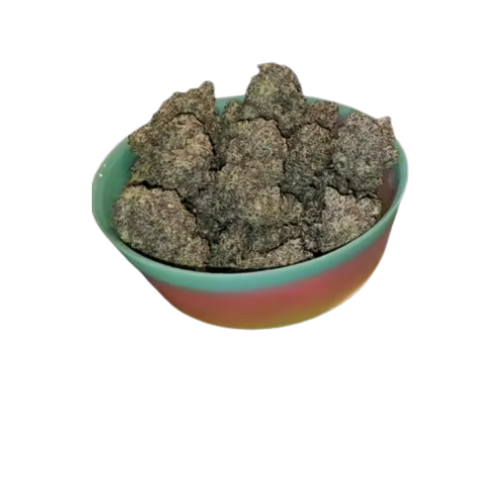
Look for products with CBN, myrcene, and linalool. Consider edibles for longer-lasting effects, and start with a low dose taken about an hour before bed.
Ready to shop your local Meds Cafe?
Choose your store first so menu availability, pricing, and deals match your location.