
How to Read Cannabis Labels and Lab Results
Cannabis packaging in Michigan is required to include specific lab-tested information, but the numbers and terms can feel confusing at first glance. Once you understand a few key elements, reading a label becomes second nature and makes product comparison much easier.
THC percentage measures how much tetrahydrocannabinol is present by weight. It indicates potency but does not predict the full experience.
Some Michigan products now list individual terpenes and their percentages, giving shoppers a clearer picture of flavor and potential effects.
Every tested product has a batch number linking it to a specific set of lab results, including potency, contaminant screening, and terpene data.
What THC and CBD percentages actually mean
THC percentage tells you how much tetrahydrocannabinol is in the product by weight. A flower labeled at 25% THC has 250 mg of THC per gram. CBD percentage works the same way. But higher THC does not automatically mean a better experience — tolerance, terpene profile, and consumption method all play a role. Shopping by THC alone is like choosing wine only by alcohol content.
Why terpene information matters
More Michigan products are starting to list terpene profiles on the label, and that data is incredibly useful. Terpenes influence aroma, flavor, and how a product feels overall. Two flowers at the same THC level can feel noticeably different if one is high in myrcene and the other is high in limonene. At Meds Cafe, budtenders can help you connect terpene names to the aromas and effects you prefer.
Harvest dates and freshness
The harvest date tells you when the flower was cut, and the testing date shows when it was analyzed by a lab. The closer those dates are to when you are buying, the fresher the product is likely to be. Fresher flower retains more terpenes and cannabinoids, which means better aroma, flavor, and overall quality. This is one reason deli-style shops like Meds Cafe emphasize fast inventory turnover.
Understanding testing and lab results
Michigan law requires cannabis products to be tested by licensed labs before they can be sold. Tests screen for potency, pesticides, heavy metals, microbials, and residual solvents. The results are tied to a batch number printed on the label. Some brands and dispensaries make full lab reports available online, which gives shoppers even more transparency into what they are consuming.
How to compare products using labels
Once you can read labels confidently, product comparison becomes much more practical. Instead of grabbing whatever has the highest THC, you can compare terpene profiles, check harvest freshness, look at cannabinoid ratios, and make a decision based on what actually matches the experience you want. That shift from number-chasing to profile-shopping is one of the biggest upgrades a cannabis consumer can make.
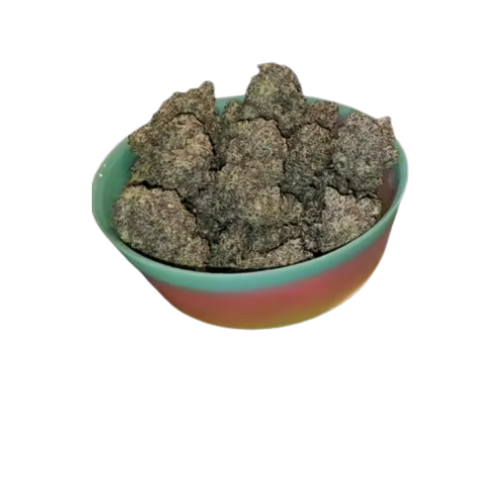
Focus on terpene profiles and cannabinoid ratios instead of chasing the highest THC number. Check harvest dates for freshness and use batch numbers to look up full lab results.
Ready to shop your local Meds Cafe?
Choose your store first so menu availability, pricing, and deals match your location.